
Tag: Extrusion

Die Correction, Maintenance, and Lifecycle Management: Best Practices in 2026

Die Correction, Maintenance, and Lifecycle Management: Best Practices in 2026

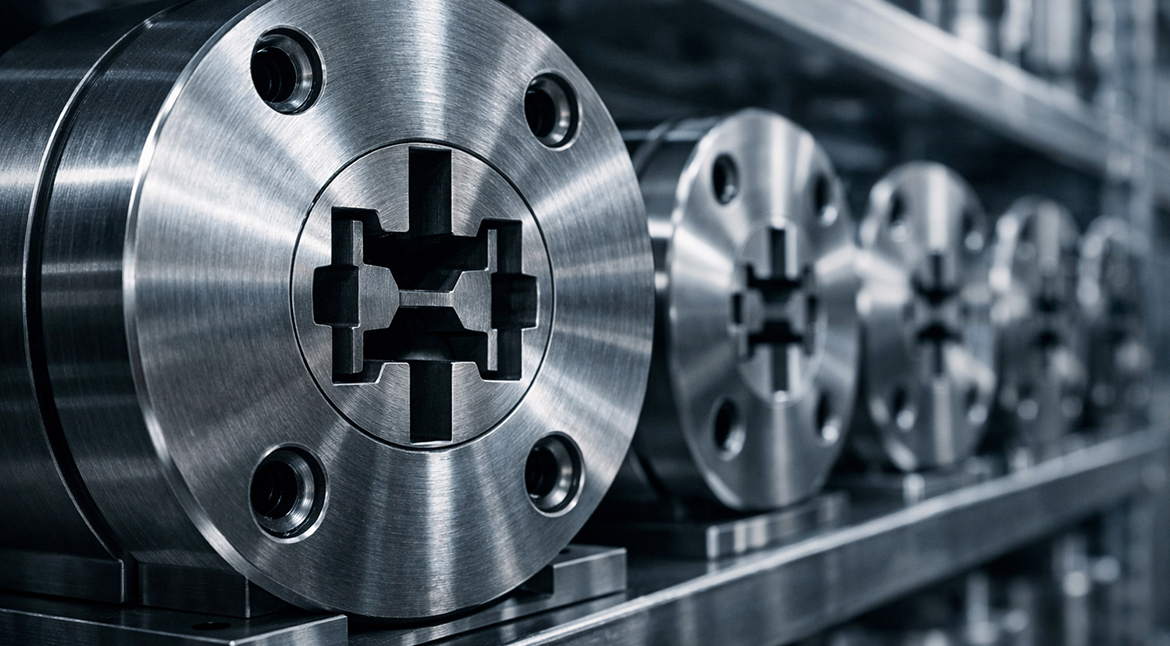
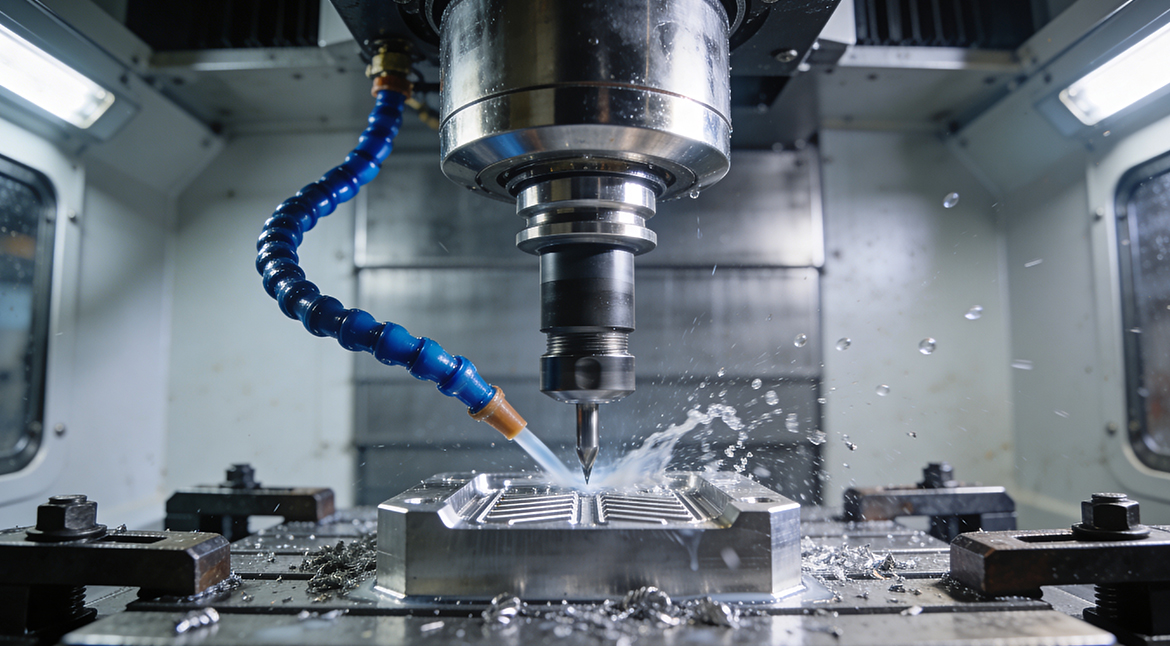
In aluminium extrusion, most quality issues do not originate at the press. They originate inside the die. By 2026, extrusion profiles are larger, more complex, and produced at higher speeds than ever before. Under these conditions, dies are exposed...
Aluminium Billet Casting Explained: Process, Quality Control, and Alloy Selection

Aluminium Billet Casting Explained: Process, Quality Control, and Alloy Selection

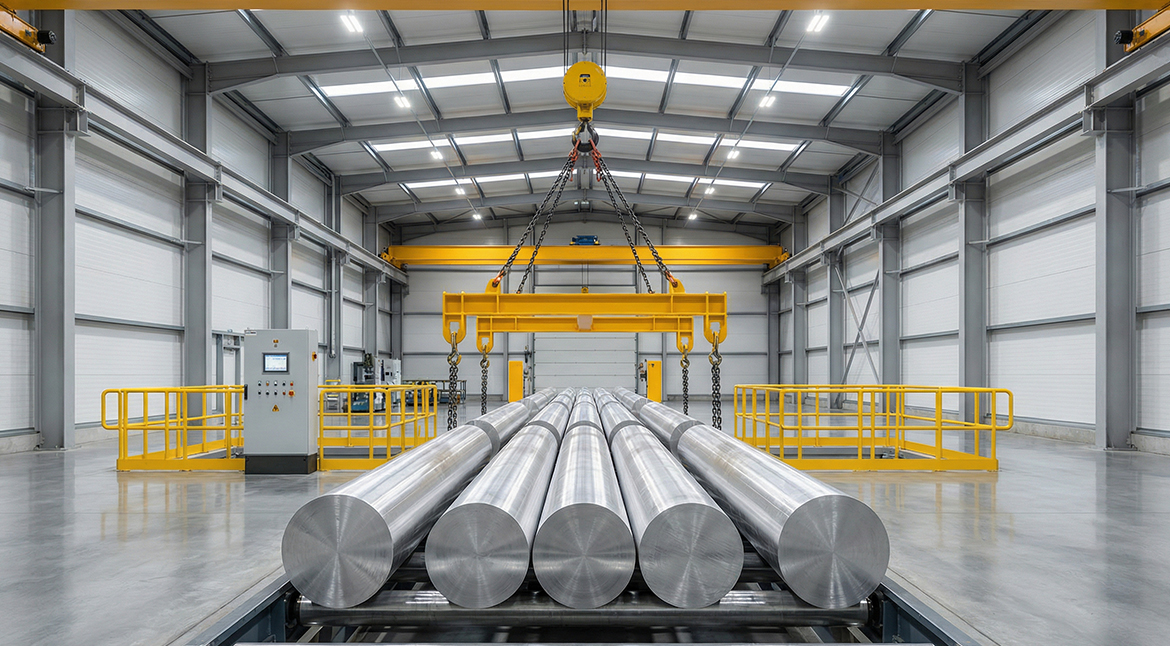
In aluminium extrusion, quality does not start at the press. It starts inside the billet. By 2026, extrusion profiles are larger, more complex, and required to meet tighter tolerances and higher mechanical performance than ever before. Under these conditions, billet casting quality becomes the single most important...
How Advanced Die Design Improves Extrusion Speed, Consistency, and Profile Life

How Advanced Die Design Improves Extrusion Speed, Consistency, and Profile Life

In aluminium extrusion, speed, consistency, and profile life are often discussed as separate outcomes. In reality, all three are governed by one core factor: advanced die design. By 2026, extrusion presses have become more powerful, billets more consistent, and automation more widespread...
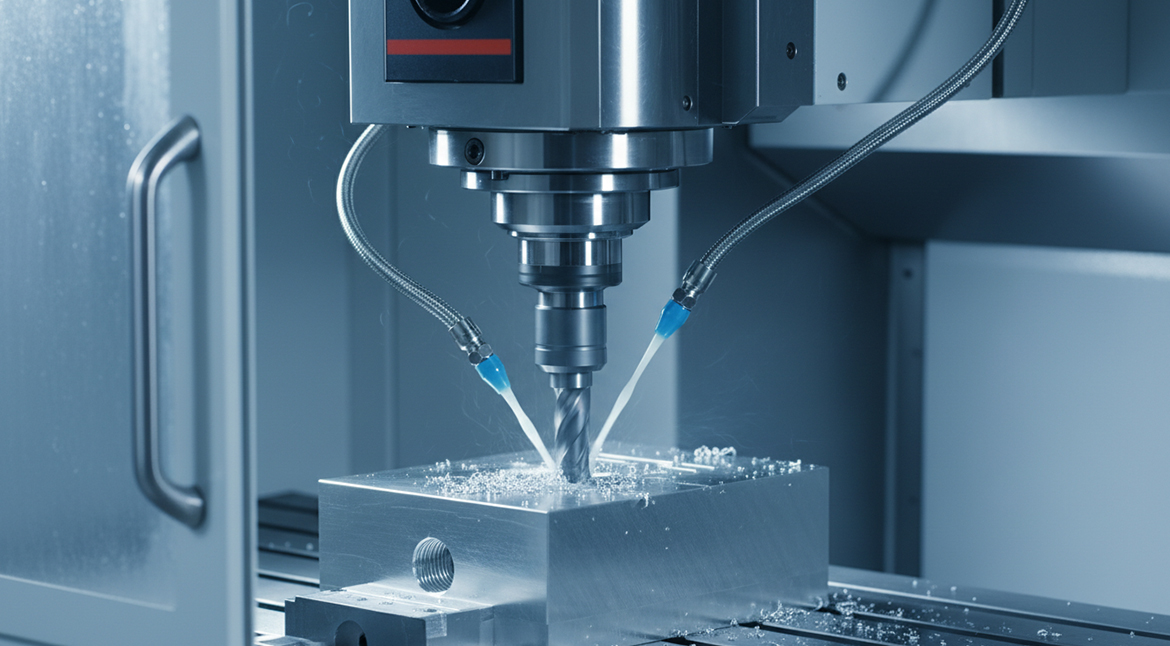
The Role of Precision Die Manufacturing in High-Quality Aluminium Extrusion

The Role of Precision Die Manufacturing in High-Quality Aluminium Extrusion

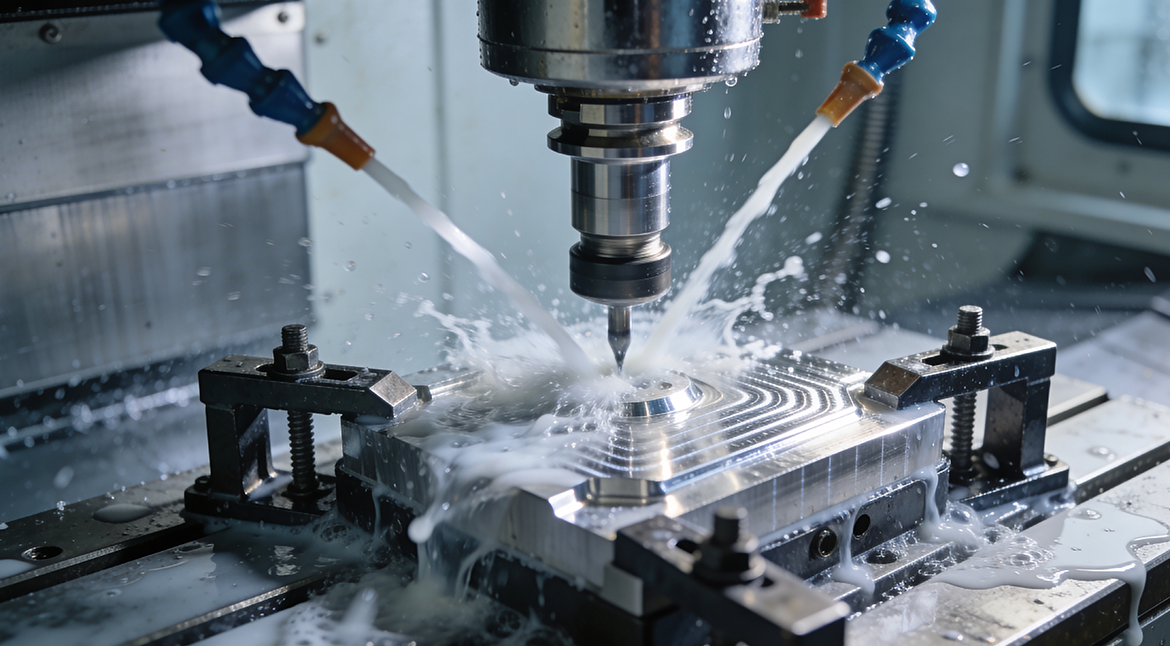
In aluminium extrusion, machines may provide the force, and billets may supply the metal, but the die defines the outcome. By 2026, global buyers increasingly understand that extrusion quality is not driven by press capacity alone. It is driven by precision die manufacturing. The die governs metal flow...
Understanding Tolerances, Surface Finish, and Dimensional Accuracy in Modern Aluminium Extrusion

Understanding Tolerances, Surface Finish, and Dimensional Accuracy in Modern Aluminium Extrusion

Across infrastructure, renewable energy, transportation, defence, and industrial machinery, aluminium profiles are no longer treated as semi-finished products. They are engineering-critical components expected to fit, perform, and assemble without correction. This makes three parameters decisive in supplier selection...
How High-Capacity Extrusion Presses Are Redefining Large Aluminium Profile Manufacturing

How High-Capacity Extrusion Presses Are Redefining Large Aluminium Profile Manufacturing

By 2026, aluminium profile size is no longer a limitation. It is a strategic capability. Across infrastructure, renewable energy, transportation, defence, and heavy engineering, projects increasingly demand: Wider aluminium profiles, Thicker wall sections, Longer continuous lengths, Complex hollow geometries...
Advanced Aluminium Extrusion Processes in 2026: From Billet to High-Precision Profiles

Advanced Aluminium Extrusion Processes in 2026: From Billet to High-Precision Profiles

In 2026, aluminium extrusion is no longer a simple shaping operation. It is a high-precision manufacturing process where metallurgy, tooling, process control, and digital monitoring work together to deliver predictable performance at scale. For buyers across infrastructure, renewable energy, transportation, defence, and industrial machinery, the extrusion process...
How India Is Emerging as a Global Aluminium Extrusion Hub for Large and Complex Profiles

How India Is Emerging as a Global Aluminium Extrusion Hub for Large and Complex Profiles

By 2026, the global aluminium extrusion industry is undergoing a major structural shift. Buyers who once relied heavily on a few traditional manufacturing regions are now actively diversifying their supply chains. At the center of this shift is India, rapidly emerging as a global aluminium extrusion hub, particularly...
The Future of Aluminium Manufacturing in India: Technology, Scale, and Sustainability

The Future of Aluminium Manufacturing in India: Technology, Scale, and Sustainability

By 2026, aluminium manufacturing in India is no longer defined only by cost competitiveness. It is defined by capability, scale, precision, and sustainability. India has moved from being a largely domestic supplier to becoming a strategic global...