
Introduction: Why Billet Casting Determines Extrusion Quality
In aluminium extrusion, quality does not start at the press.
It starts inside the billet.
By 2026, extrusion profiles are larger, more complex, and required to meet tighter tolerances and higher mechanical performance than ever before. Under these conditions, billet casting quality becomes the single most important upstream factor influencing extrusion stability, surface finish, dimensional accuracy, and long-term performance.
This blog provides a complete, practical explanation of:
- How aluminium billet casting works
- The key process stages that affect extrusion outcomes
- Quality control practices that separate reliable billets from average ones
- Alloy selection principles for different applications
- What buyers should evaluate when sourcing extrusion partners
What Is Aluminium Billet Casting?
Understanding the Role of Billets in Extrusion
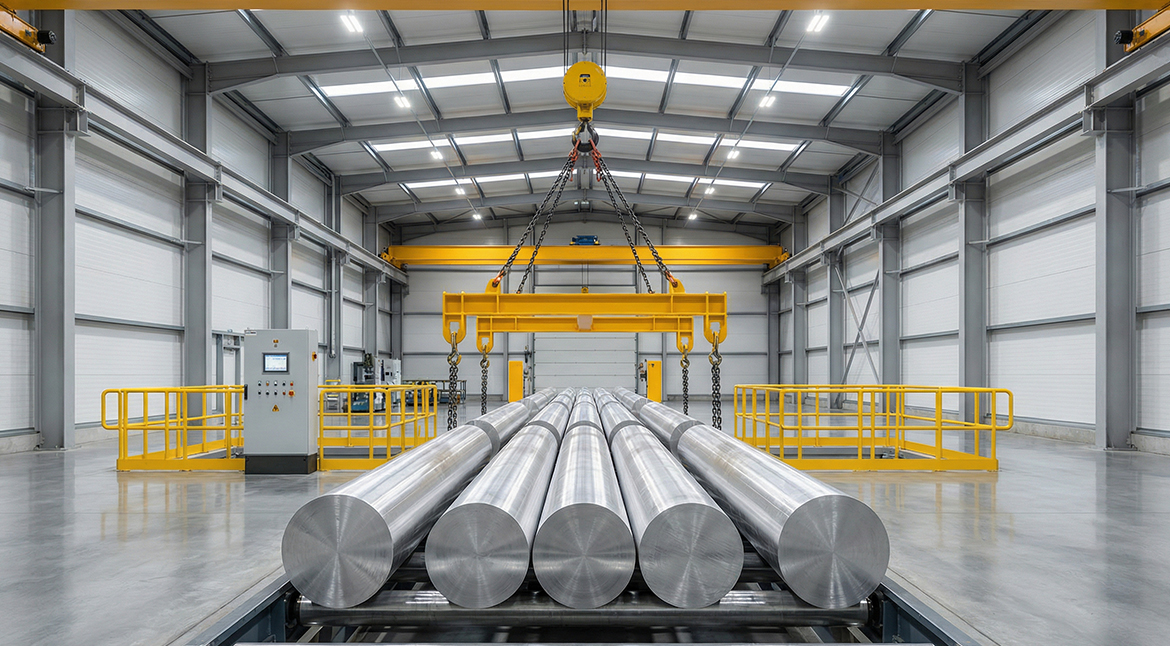
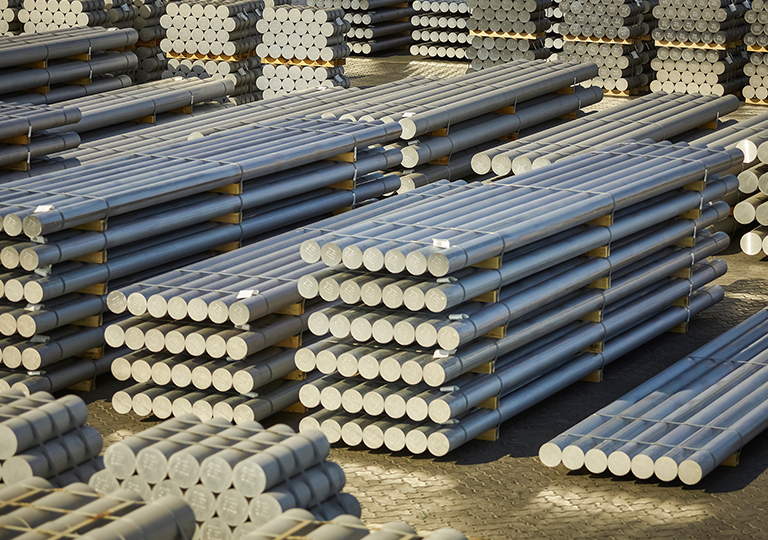
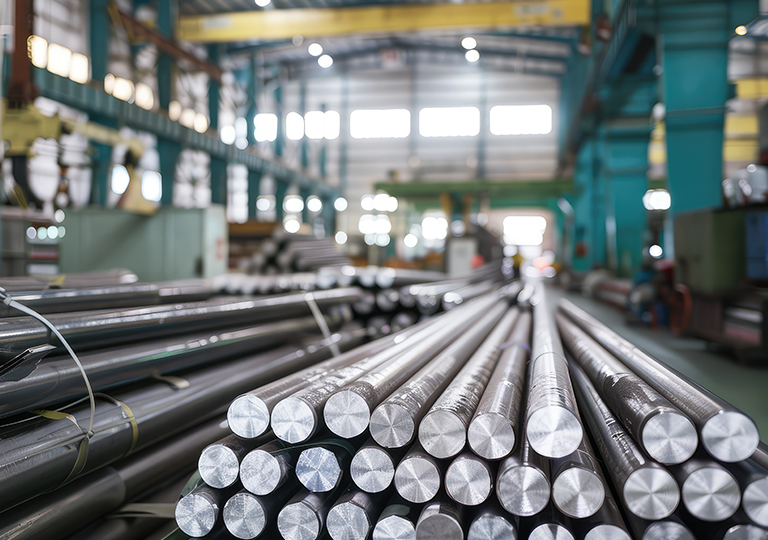
An aluminium billet is a cylindrical semi-finished product produced specifically for extrusion. It is heated and forced through a die to form profiles.
Billet characteristics directly influence:
- Metal flow behavior
- Surface finish
- Mechanical properties
- Extrusion speed and stability
Poor billet quality cannot be corrected later, no matter how advanced the press or die.
Why Billet Casting Matters More in 2026
Modern extrusion demands:
- Higher press forces
- Longer production runs
- Tighter dimensional tolerances
- Superior surface quality
Any metallurgical inconsistency in the billet is amplified during extrusion, especially for:
- Wide profiles
- Hollow sections
- High-speed extrusion
This makes billet casting a critical quality gate, not a commodity process.
The Aluminium Billet Casting Process: Step by Step
Step 1: Alloy Preparation and Melting
Billet casting begins with precise alloy preparation.
Key controls include:
- Accurate alloy chemistry
- Clean raw material selection
- Controlled melting temperature
Contamination at this stage leads to:
- Surface defects
- Inclusion-related failures
- Reduced mechanical performance
Step 2: Degassing and Melt Treatment
Before casting, molten aluminium undergoes:
- Degassing to remove hydrogen
- Fluxing to eliminate non-metallic inclusions
Effective melt treatment improves:
- Internal soundness
- Surface quality
- Extrusion stability
Poor degassing often results in porosity and blistering after extrusion.
Step 3: Casting and Solidification
Billets are typically cast using:
- Direct Chill (DC) casting processes
Critical parameters include:
- Casting speed
- Cooling rate
- Temperature gradient control
Uniform solidification ensures:
- Fine grain structure
- Reduced segregation
- Consistent mechanical behavior
Step 4: Billet Cutting and Surface Preparation
After casting:
- Billets are cut to extrusion-ready lengths
- Surface defects are inspected and removed
Clean billet surfaces reduce:
- Die contamination
- Surface streaking
- Pick-up during extrusion
Step 5: Homogenization Heat Treatment
Homogenization is a crucial step often underestimated.
This process:
- Equalizes chemical composition
- Dissolves segregated phases
- Improves grain structure
Homogenized billets:
- Extrude more smoothly
- Deliver better surface finish
- Maintain dimensional stability
Quality Control in Billet Casting
Chemical Composition Control
Precise alloy chemistry ensures:
- Predictable mechanical properties
- Stable extrusion behavior
- Consistent surface finish
Even small deviations can cause extrusion instability.
Microstructure and Grain Size Control
Grain structure affects:
- Metal flow
- Surface appearance
- Fatigue performance
Fine, uniform grains are essential for:
- High-speed extrusion
- Wide and complex profiles
Defect Prevention and Inspection
Advanced billet casting includes:
- Visual inspection
- Ultrasonic testing (where required)
- Surface quality checks
Defect-free billets reduce:
- Scrap rates
- Press downtime
- Quality disputes
Alloy Selection: Matching Material to Application
Why Alloy Choice Matters
Different applications demand different combinations of:
- Strength
- Corrosion resistance
- Extrudability
- Surface finish quality
Choosing the wrong alloy compromises performance and cost efficiency.
Common Aluminium Alloys Used in Extrusion
6xxx Series Alloys
Widely used for:
- Infrastructure
- Construction
- Transportation
- Renewable energy
They offer:
- Good strength
- Excellent extrudability
- Superior surface finish
High-Strength Alloys (Where Applicable)
Used for:
- Industrial machinery
- Load-bearing components
These alloys require:
- Tight process control
- Advanced billet preparation
Alloy Selection Criteria in 2026
Buyers evaluate alloys based on:
- Mechanical performance
- Surface treatment compatibility
- Environmental exposure
- Lifecycle cost
Billet casting quality must align with the selected alloy’s requirements.
Impact of Billet Quality on Extrusion Performance
Extrusion Speed and Stability
High-quality billets allow:
- Higher extrusion speeds
- Stable pressure behavior
- Reduced risk of surface tearing
This improves productivity without sacrificing quality.
Surface Finish and Dimensional Accuracy
Uniform billets produce:
- Cleaner extrusion surfaces
- Consistent dimensions
- Reduced correction during stretching
This is critical for architectural and structural applications.
Die Life and Tooling Performance
Poor billet quality accelerates:
- Die wear
- Pick-up formation
- Tool damage
Quality billets extend die life and reduce tooling costs.
Buyer Perspective: Why Billet Casting Should Be a Supplier Qualification Criterion
In 2026, informed buyers increasingly ask:
- Is billet casting in-house or outsourced?
- How is alloy chemistry controlled?
- What homogenization practices are followed?
- How is billet quality inspected?
Suppliers with strong billet control deliver:
- Predictable extrusion outcomes
- Lower rejection rates
- Higher long-term reliability
How Surat Aluminium Ensures Billet Quality for Reliable Extrusion
Surat Aluminium treats billet quality as the foundation of extrusion excellence.
The focus includes:
- Controlled alloy preparation
- Robust melt treatment practices
- Consistent homogenization
- Strict billet inspection protocols
This approach ensures billets that:
- Extrude smoothly
- Deliver stable surface finish
- Support tight tolerances across complex profiles
Such metallurgical discipline is essential for demanding industrial and infrastructure applications.
Strategic Insight: Billet Quality Reduces Total Manufacturing Risk
While billet casting excellence requires:
- Investment in metallurgy
- Process discipline
- Skilled technical teams
It reduces:
- Scrap and rework
- Press instability
- Quality disputes
- Delivery delays
For buyers, billet quality directly translates into project reliability and cost control.
Conclusion: Every Successful Extrusion Begins Inside the Billet
In modern aluminium manufacturing, extrusion quality is determined long before the press cycle starts.
Billet casting defines:
- Process stability
- Surface finish
- Mechanical performance
- Long-term reliability
By 2026, billet casting is no longer a background process.
It is a strategic capability that separates reliable aluminium partners from average suppliers.
For buyers seeking consistency, scalability, and performance, billet quality is where trust begins.