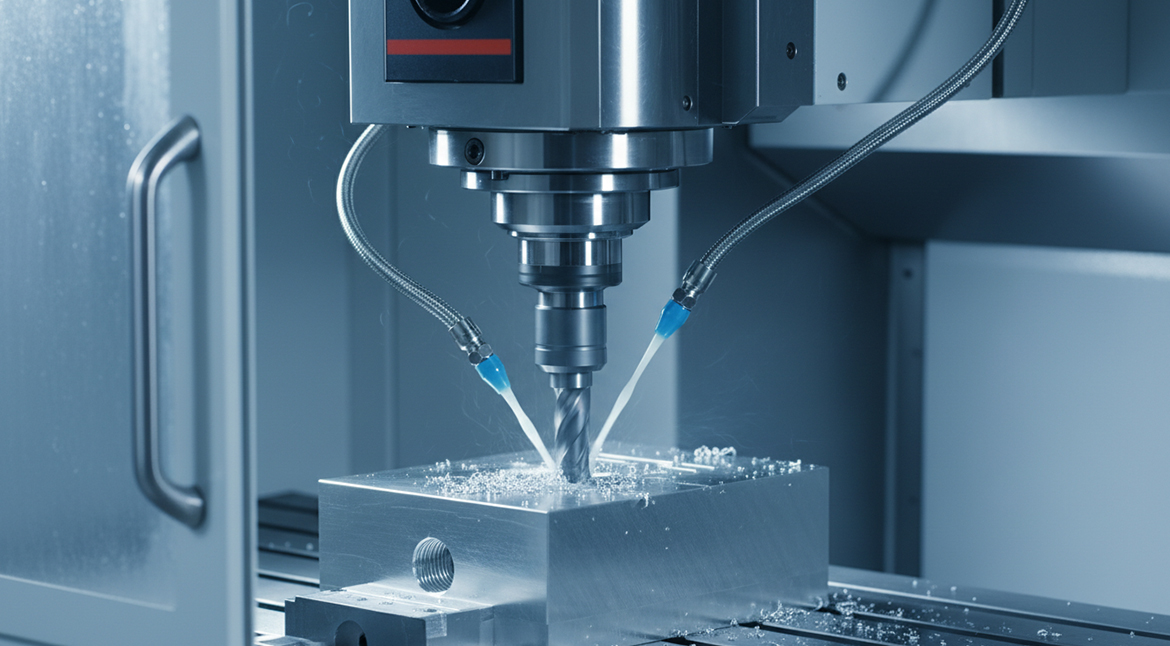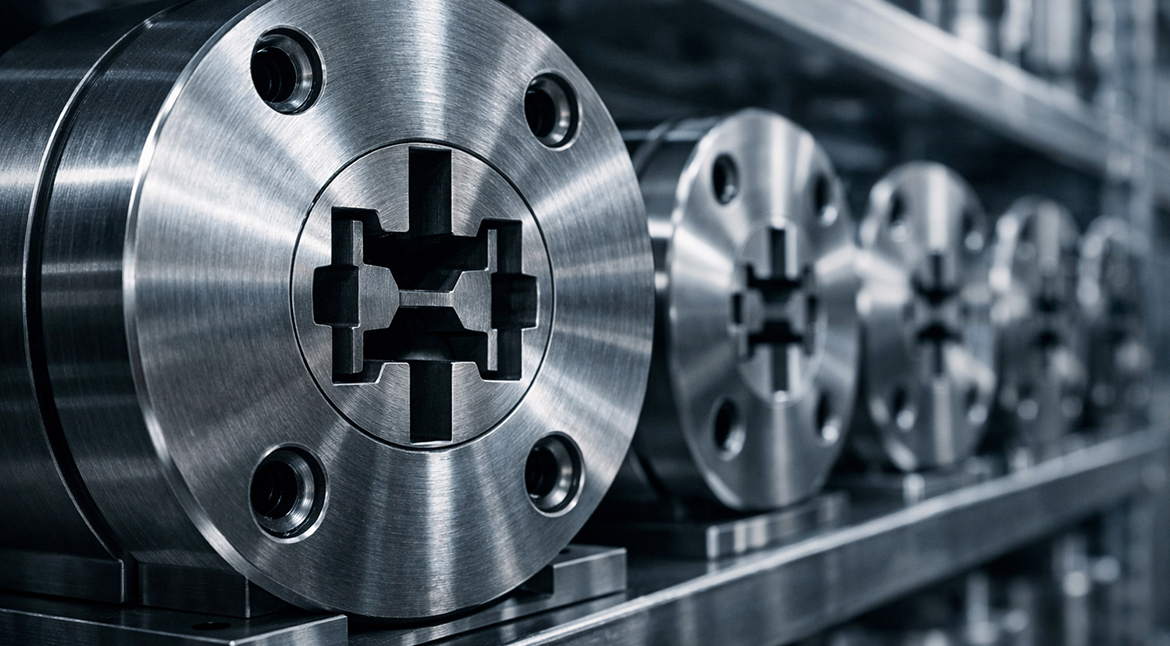
In aluminium extrusion, machines may provide the force, and billets may supply the metal, but the die defines the outcome. By 2026, global buyers increasingly understand that extrusion quality is not driven by press capacity alone. It is driven by precision die manufacturing. The die governs metal flow...
Custom extrusions allow engineers to design aluminium profiles that are application-specific, performance-driven, and optimized for real-world conditions rather than forcing designs to fit standard sections...
Across infrastructure, renewable energy, transportation, defence, and industrial machinery, aluminium profiles are no longer treated as semi-finished products. They are engineering-critical components expected to fit, perform, and assemble without correction. This makes three parameters decisive in supplier selection...
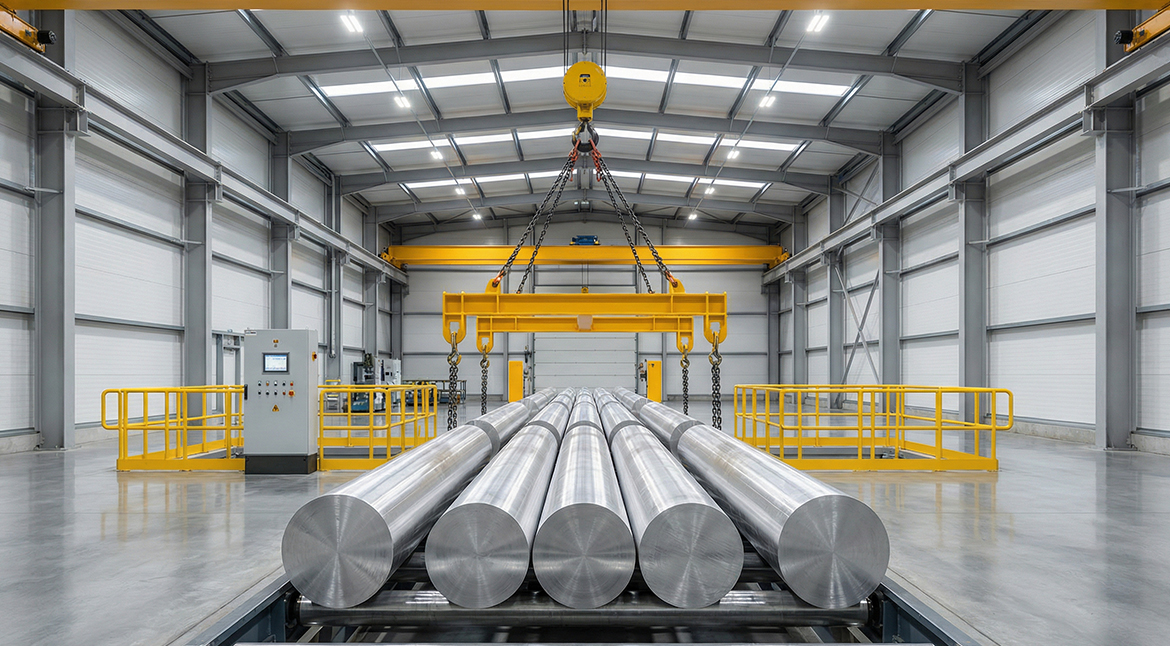
By 2026, aluminium profile size is no longer a limitation. It is a strategic capability. Across infrastructure, renewable energy, transportation, defence, and heavy engineering, projects increasingly demand: Wider aluminium profiles, Thicker wall sections, Longer continuous lengths, Complex hollow geometries...
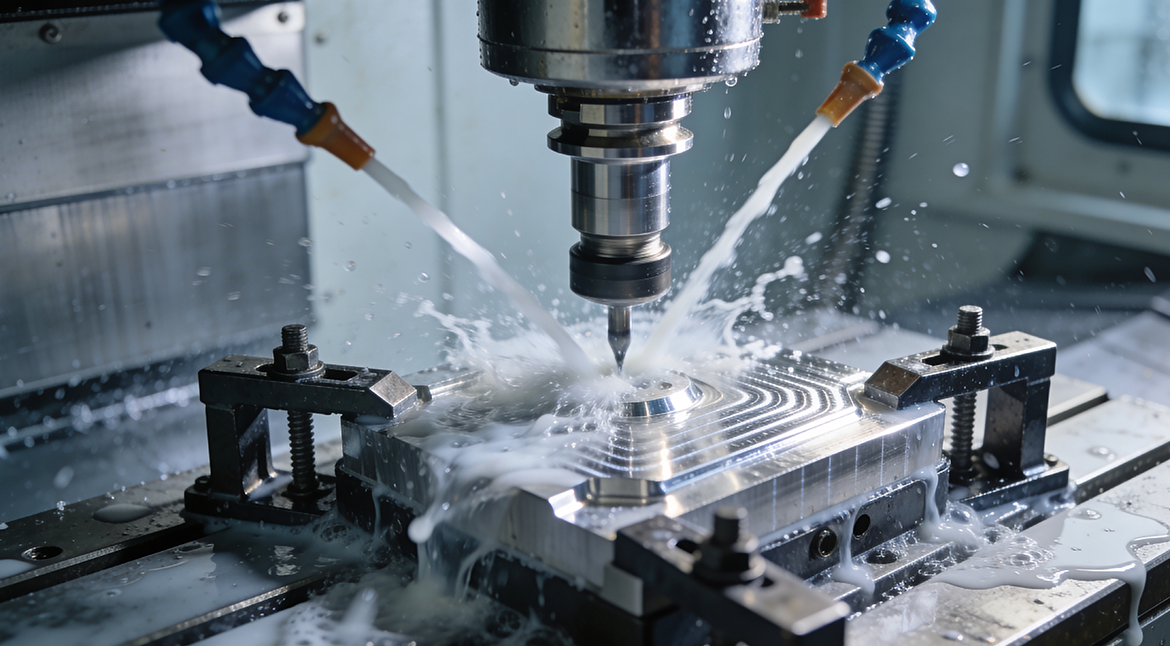
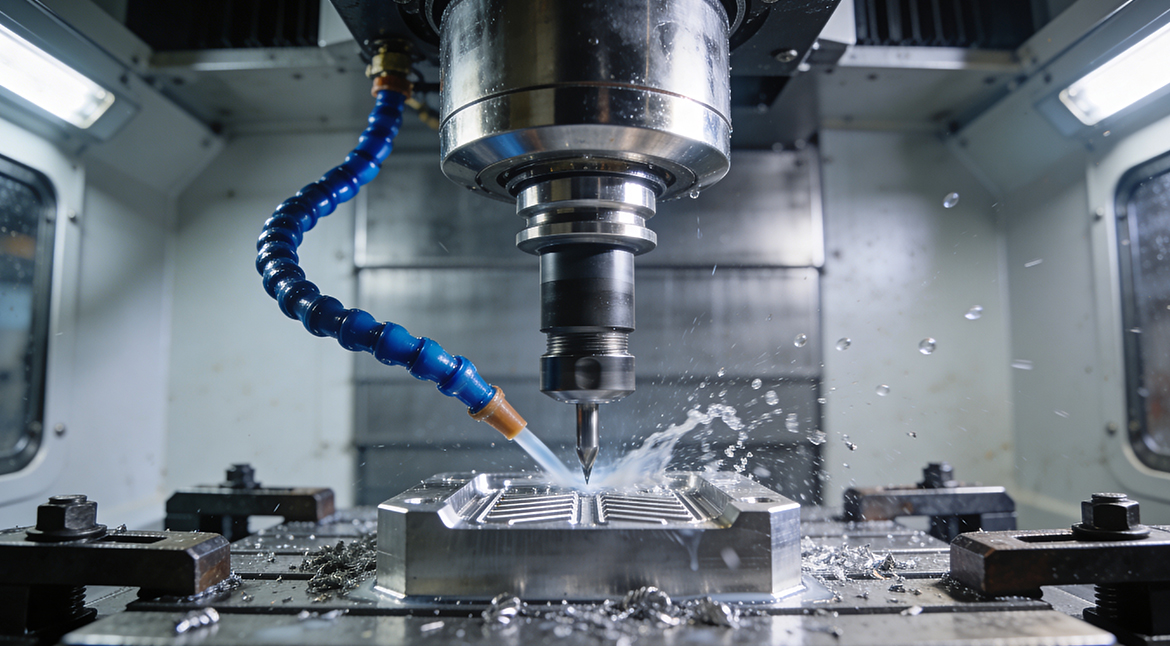
In 2026, aluminium extrusion is no longer a simple shaping operation. It is a high-precision manufacturing process where metallurgy, tooling, process control, and digital monitoring work together to deliver predictable performance at scale. For buyers across infrastructure, renewable energy, transportation, defence, and industrial machinery, the extrusion process...
By 2026, the global aluminium extrusion industry is undergoing a major structural shift. Buyers who once relied heavily on a few traditional manufacturing regions are now actively diversifying their supply chains. At the center of this shift is India, rapidly emerging as a global aluminium extrusion hub, particularly...
By 2026, aluminium manufacturing in India is no longer defined only by cost competitiveness. It is defined by capability, scale, precision, and sustainability. India has moved from being a largely domestic supplier to becoming a strategic global...
Far from being just a lightweight alternative to steel, aluminium has evolved into a strategic engineering material that enables scale, speed, sustainability, and long-term performance. Governments, EPC contractors, OEMs, and industrial buyers increasingly...
By 2026, aluminium is no longer just a lightweight alternative to steel. It has become a strategic material driving global manufacturing, infrastructure development, clean energy transition, mobility innovation, and advanced industrial engineering...
In an era of globalization and technological advancement, industries are no longer confined by borders. Clients from automotive, construction, aerospace, renewable energy, and industrial sectors demand high-quality aluminium profiles that comply with international standards. Meeting...