
Introduction: Building a Green Future with Aluminum Extrusion
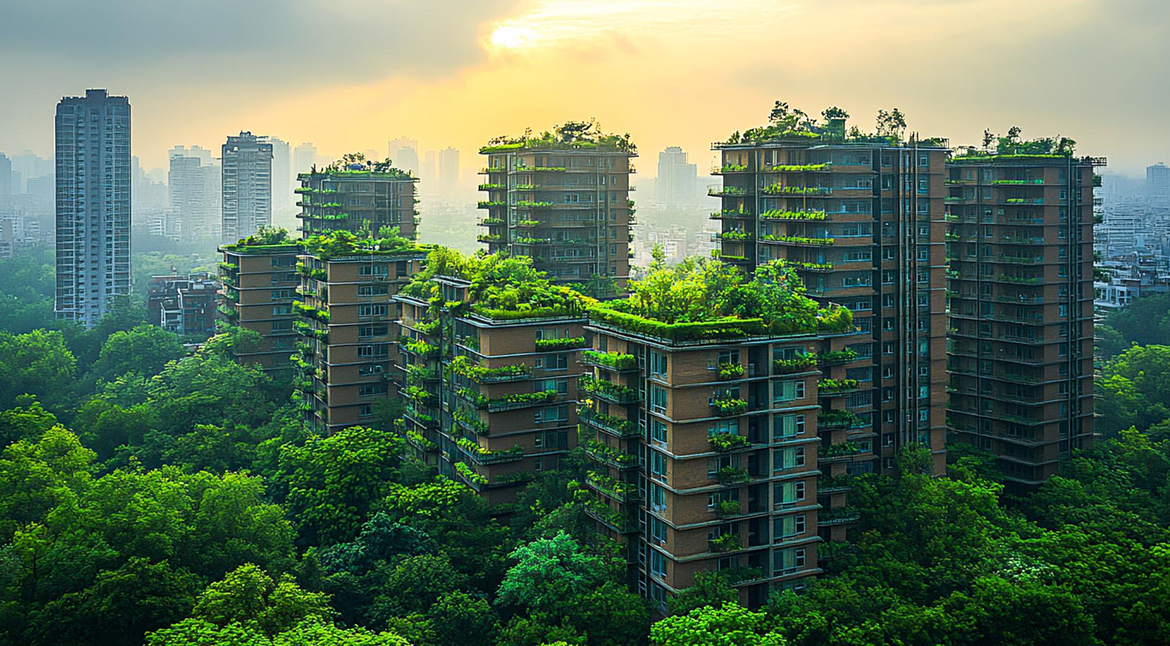
As the world moves towards sustainable development, the construction and infrastructure sectors play a pivotal role in achieving global environmental goals. Aluminum extrusion has emerged as a game-changing technology that is shaping the future of sustainable infrastructure. Its lightweight, durable, and recyclable properties make aluminum an ideal material for building eco-friendly solutions.
Surat Aluminium, a leader in aluminum extrusion, is at the forefront of promoting sustainable infrastructure through innovative extrusion techniques and eco-friendly practices. This blog explores the role of aluminum extrusion in building a greener future and how Surat Aluminium is driving this transformation.
The Growing Need for Sustainable Infrastructure
The global demand for infrastructure is growing rapidly due to urbanization, population growth, and the need to modernize existing systems. However, traditional construction methods and materials contribute significantly to environmental degradation.
Key Environmental Challenges in Infrastructure Development:
- High Carbon Emissions: The construction sector accounts for nearly 40% of global carbon emissions.
- Resource Depletion: Excessive use of non-renewable materials like steel and concrete.
- Waste Generation: Construction activities generate significant amounts of waste.
To address these challenges, sustainable infrastructure solutions are essential, and aluminum extrusion is playing a critical role in this transformation.

What Is Aluminum Extrusion?
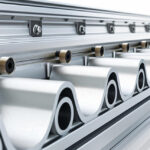
Aluminum extrusion is a process that involves shaping aluminum by forcing it through a die to create specific profiles. The resulting profiles are lightweight, strong, and versatile, making them suitable for various applications in infrastructure projects.
Key Benefits of Aluminum Extrusion:
- Lightweight: Reduces overall structural weight, leading to energy savings.
- Durable: Resistant to corrosion, ensuring long-lasting performance.
- Recyclable: Aluminum can be recycled indefinitely without losing its properties.
- Versatile: Can be used in a wide range of applications, from windows and doors to bridges and solar panel frames.
Why Aluminum Extrusion Is Key to Sustainable Infrastructure
1. Energy Efficiency
Aluminum’s lightweight nature contributes to energy savings in both transportation and construction. Structures made with aluminum profiles require less energy to transport and assemble, reducing overall carbon emissions.
Example Applications:
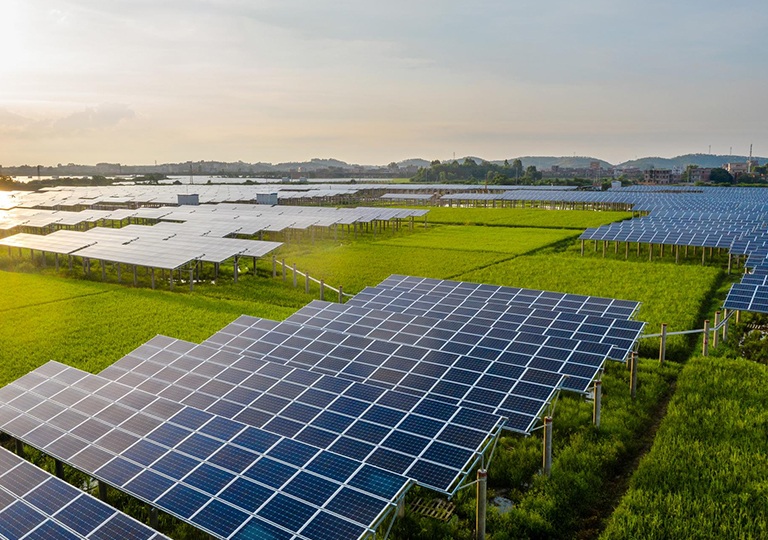
- Solar Panel Frames: Lightweight frames that support renewable energy solutions.
- Building Facades: Energy-efficient curtain walls that reduce heating and cooling costs.
2. Durability and Longevity
Aluminum profiles are highly durable and resistant to corrosion, making them ideal for long-term infrastructure projects. Unlike steel, aluminum does not rust, reducing maintenance costs and extending the lifespan of structures.
Key Benefits:
- Reduced Maintenance: Lower long-term costs and environmental impact.
- Weather Resistance: Suitable for harsh environmental conditions.
3. Recyclability
One of the most significant advantages of aluminum is its recyclability. Recycling aluminum requires 95% less energy compared to producing it from raw materials, significantly reducing the carbon footprint.
Surat Aluminium’s Recycling Initiatives:
- Use of Recycled Billets: Incorporating recycled aluminum in manufacturing processes.
- Waste Management Systems: Ensuring that production waste is reused or recycled.
4. Versatility in Design
Aluminum extrusion allows for the creation of complex and custom profiles, providing architects and engineers with greater flexibility in designing sustainable structures.
Applications in Sustainable Infrastructure:
- Bridges: Lightweight and durable aluminum components reduce overall structural weight.
- Rail Systems: Aluminum profiles for tracks and carriages improve efficiency.
- Green Buildings: Aluminum frames for windows, doors, and curtain walls enhance energy efficiency.
How Surat Aluminium Supports Sustainable Infrastructure
Surat Aluminium is committed to promoting sustainable infrastructure by integrating advanced aluminum extrusion techniques and eco-friendly practices into its operations.
Key Initiatives:
- High-Capacity Extrusion Presses: Surat Aluminium operates 30 MN extrusion presses capable of producing large, complex profiles with minimal waste.
- Precision Cutting and Machining: The company uses automated cutting tools to reduce waste and improve accuracy.
- Energy-Efficient Production: Surat Aluminium has implemented energy-saving measures across its facilities, reducing overall energy consumption.
- Recycling Programs: The company promotes a circular economy by maximizing the use of recycled aluminum billets.
Applications of Aluminum Extrusion in Sustainable Infrastructure
1. Green Buildings
Aluminum profiles are widely used in green building projects due to their energy efficiency, durability, and recyclability.
Key Applications:
- Window Frames: Improve insulation and reduce energy consumption.
- Curtain Walls: Enhance natural lighting while maintaining thermal performance.
- Roof Structures: Lightweight and durable solutions for modern buildings.
2. Renewable Energy Projects
Aluminum profiles are essential in renewable energy projects, supporting the development of sustainable power sources.
Applications:
- Solar Panel Frames: Lightweight, durable frames for solar installations.
- Wind Turbine Components: Structural components that withstand harsh environmental conditions.
3. Transportation Infrastructure
Aluminum extrusion contributes to the development of sustainable transportation systems by reducing vehicle weight and improving energy efficiency.
Applications:
- Rail Systems: Aluminum tracks and carriages for efficient rail networks.
- Electric Vehicles: Lightweight components that enhance vehicle range and performance.
4. Bridges and Tunnels
Aluminum profiles are increasingly used in bridge and tunnel construction due to their strength, durability, and corrosion resistance.
Benefits:
- Reduced Weight: Easier transportation and installation.
- Low Maintenance: Extended lifespan with minimal upkeep.
Future Trends: The Role of Aluminum Extrusion in Sustainable Cities
As cities around the world strive to become more sustainable, aluminum extrusion will play a vital role in shaping smart and green cities. Future trends include:
1. Smart Building Components
- IoT-Enabled Profiles: Integrating sensors into aluminum profiles for smart building applications.
2. Modular Construction
- Prefabricated Aluminum Modules: Reducing construction time and waste through modular solutions.
3. Lightweight Alloys
- Innovative Alloys: Developing new aluminum alloys with enhanced strength-to-weight ratios.
Conclusion: Aluminum Extrusion as a Pillar of Sustainable Infrastructure
Aluminum extrusion is a key technology driving the development of sustainable infrastructure. Its lightweight, durable, and recyclable properties make it an ideal material for eco-friendly construction projects. Surat Aluminium’s commitment to innovation, sustainability, and precision manufacturing ensures that it remains a leader in promoting sustainable development.
As the demand for green infrastructure grows, aluminum extrusion will continue to play a crucial role in shaping a greener, more sustainable future.