


Introduction: Aluminium at the Center of Global Industrial Transformation
By 2026, aluminium is no longer just a lightweight alternative to steel. It has become a strategic material driving global manufacturing, infrastructure development, clean energy transition, mobility innovation, and advanced industrial engineering.
Across construction, transportation, renewable energy, defence, and industrial machinery, aluminium’s unique combination of strength, corrosion resistance, recyclability, and design flexibility is redefining how products are engineered and scaled.
For manufacturers, OEMs, EPC contractors, and global buyers, understanding where the aluminium industry is heading in 2026 is no longer optional. It directly impacts sourcing decisions, supplier selection, project timelines, and long-term cost efficiency.
This blog provides a comprehensive, buyer-focused overview of:
- Global aluminium industry trends in 2026
- Key technological innovations reshaping aluminium manufacturing
- Shifting buyer expectations and procurement priorities
- What global and Indian aluminium extrusion suppliers must deliver to stay competitive
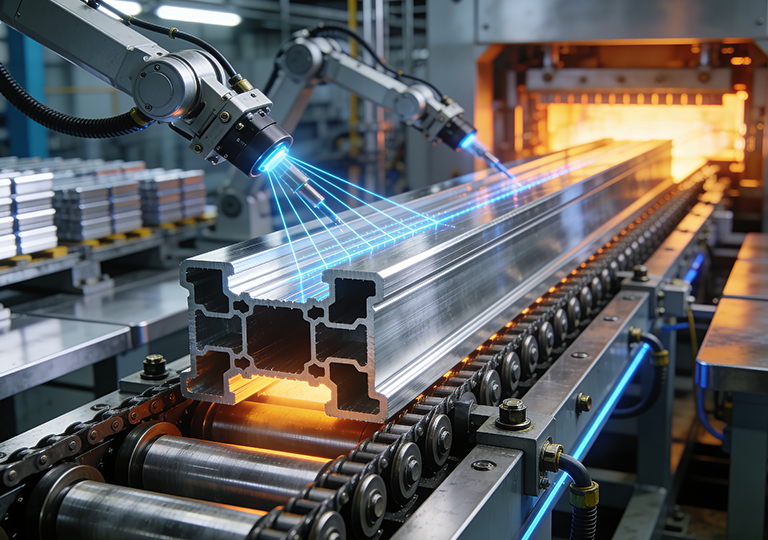
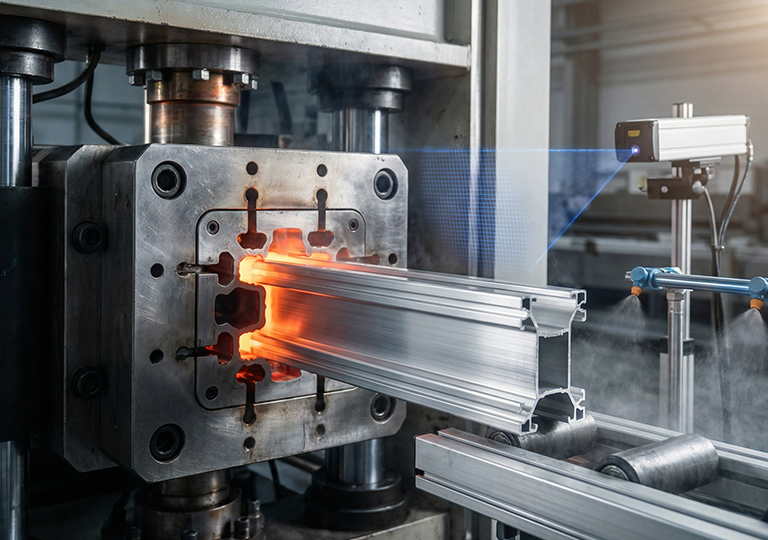
The Global Aluminium Market Outlook in 2026
Strong Demand Across Core Industries
By 2026, global aluminium demand continues to grow steadily, driven by:
- Urban infrastructure expansion
- Renewable energy installations
- Electric vehicles and lightweight transportation
- Defence and aerospace modernization
- Smart manufacturing and industrial automation
Aluminium’s ability to replace heavier materials without compromising performance makes it indispensable for modern engineering applications.
Regional Growth Dynamics
- Asia-Pacific remains the fastest-growing aluminium market, led by India, China, and Southeast Asia.
- Europe focuses on low-carbon aluminium, sustainability compliance, and circular economy models.
- North America prioritizes domestic sourcing, high-precision extrusions, and defence-grade manufacturing.
India’s role as a global aluminium extrusion supplier is expanding rapidly due to cost competitiveness, scale, and improving technology adoption.
Why Aluminium Remains the Preferred Industrial Metal in 2026
Lightweight Strength with Structural Integrity
Aluminium offers an exceptional strength-to-weight ratio, making it ideal for:
- Large structural profiles
- High-load-bearing applications
- Transportation and mobility systems
In 2026, buyers increasingly demand wide, complex, and custom-designed aluminium profiles, pushing extrusion technology to new limits.
Corrosion Resistance and Long Lifecycle
Aluminium’s natural oxide layer ensures:
- Longer service life
- Reduced maintenance costs
- Suitability for harsh environments
This is especially critical for infrastructure, coastal projects, renewable energy structures, and industrial plants.
Sustainability and Circular Economy Advantage
One of aluminium’s strongest advantages is its 100 percent recyclability without loss of properties.
By 2026:
- Sustainability is a procurement requirement, not a preference
- Buyers expect traceability, responsible sourcing, and energy-efficient manufacturing
Aluminium fits perfectly into global ESG and sustainability frameworks.
Key Aluminium Industry Innovations Shaping 2026
High-Capacity Extrusion Press Technology
Modern aluminium extrusion plants are investing in:
- High-tonnage extrusion presses
- Capability to manufacture wide, heavy, and hollow profiles
- Improved dimensional control and surface finish
This enables aluminium solutions for:
- Heavy infrastructure
- Large-span structures
- Industrial machinery and defence applications
Advanced Die Manufacturing and Simulation
Die design has become a critical success factor in aluminium extrusion quality.
By 2026, leading manufacturers use:
- Precision die engineering
- Flow simulation tools
- Optimized bearing design
- Enhanced die steel and heat treatment
The result is:
- Consistent profile quality
- Higher extrusion speed
- Reduced scrap and downtime
Improved Billet Casting and Alloy Control
High-quality aluminium extrusions start with high-quality billets.
Industry advancements include:
- Better billet homogenization
- Precise alloy composition control
- Improved grain structure
For buyers, this means:
- Better mechanical properties
- Improved surface finish
- Predictable performance in critical applications
Digitalization and AI in Aluminium Manufacturing
Smart Factories and Data-Driven Operations
By 2026, aluminium manufacturing is becoming increasingly digital.
Leading plants adopt:
- AI-enabled process monitoring
- Real-time extrusion parameter optimization
- Predictive maintenance systems
These technologies reduce:
- Production variability
- Machine downtime
- Quality inconsistencies
AI-Based Quality Control
Artificial intelligence is transforming quality inspection by:
- Detecting surface defects early
- Monitoring dimensional accuracy
- Reducing manual inspection errors
For buyers, this translates into:
- Lower rejection rates
- Consistent batch-to-batch quality
- Higher confidence in large-volume orders
What Global Buyers Expect from Aluminium Suppliers in 2026
Precision, Not Just Capacity
Buyers no longer evaluate suppliers only on tonnage capability.
They expect:
- Tight tolerances
- Consistent surface quality
- Reliable cut-length accuracy
Precision manufacturing is a key differentiator.
End-to-End Capabilities
In 2026, buyers prefer aluminium partners that offer:
- Billet casting
- Extrusion
- Die manufacturing
- Machining and fabrication
- Surface treatment
Integrated capabilities reduce supply chain complexity and project risk.
Reliability and On-Time Delivery
With tighter project schedules, suppliers must demonstrate:
- Strong production planning
- Transparent communication
- Predictable lead times
Reliability builds long-term partnerships, not just transactional orders.
India’s Growing Role in the Global Aluminium Supply Chain
India is rapidly emerging as a preferred aluminium sourcing destination due to:
- Large-scale extrusion capacity
- Skilled engineering workforce
- Competitive manufacturing costs
- Increasing focus on global quality standards
Indian manufacturers are now supplying aluminium profiles to:
- Infrastructure projects worldwide
- Renewable energy developers
- OEMs and EPC contractors
This positions India as a strategic alternative to traditional sourcing markets.
How Surat Aluminium Aligns with 2026 Industry Expectations
As the aluminium industry evolves, manufacturers must align with future-ready standards.
Surat Aluminium focuses on:
- Advanced aluminium extrusion technology
- Precision die manufacturing
- High-quality billet sourcing and processing
- Consistent tolerance and surface finish control
- Customer-centric, application-driven solutions
This approach ensures:
- Reliable performance across industries
- Scalable production for large and complex profiles
- Long-term value for global and domestic clients
Procurement Checklist for Aluminium Buyers in 2026
Before finalizing an aluminium extrusion partner, buyers should evaluate:
- Extrusion press capacity and profile size capability
- Die design and in-house tooling expertise
- Billet quality and alloy consistency
- Quality control systems and certifications
- Delivery reliability and technical support
Choosing the right partner directly impacts project success, cost efficiency, and product performance.
Conclusion: Aluminium’s Strategic Importance Will Only Grow
The aluminium industry in 2026 stands at the intersection of:
- Innovation
- Sustainability
- Precision engineering
- Global industrial growth
For buyers, staying informed about aluminium trends and supplier capabilities is essential to remain competitive.