
Introduction: Precision in Aluminium Extrusion
In the world of aluminium extrusion manufacturing, achieving precision and consistency is critical for delivering high-quality, reliable products. One of the most important aspects of this process is tolerance control. Tolerance refers to the allowable deviation from specified dimensions in a product, and maintaining tight tolerances ensures that aluminium profiles meet exact specifications and fit seamlessly into client applications.
At Surat Aluminium, we understand the importance of tolerance control in delivering precision-engineered aluminium profiles for various industries. Our commitment to tolerance control has made us a trusted partner for clients seeking custom aluminium extrusion solutions that meet strict performance and quality standards.
In this blog, we’ll explore why tolerance control matters in aluminium extrusion manufacturing, how Surat Aluminium maintains tight tolerances, and the benefits of precision in aluminium profiles.
What Is Tolerance Control in Aluminium Extrusion?
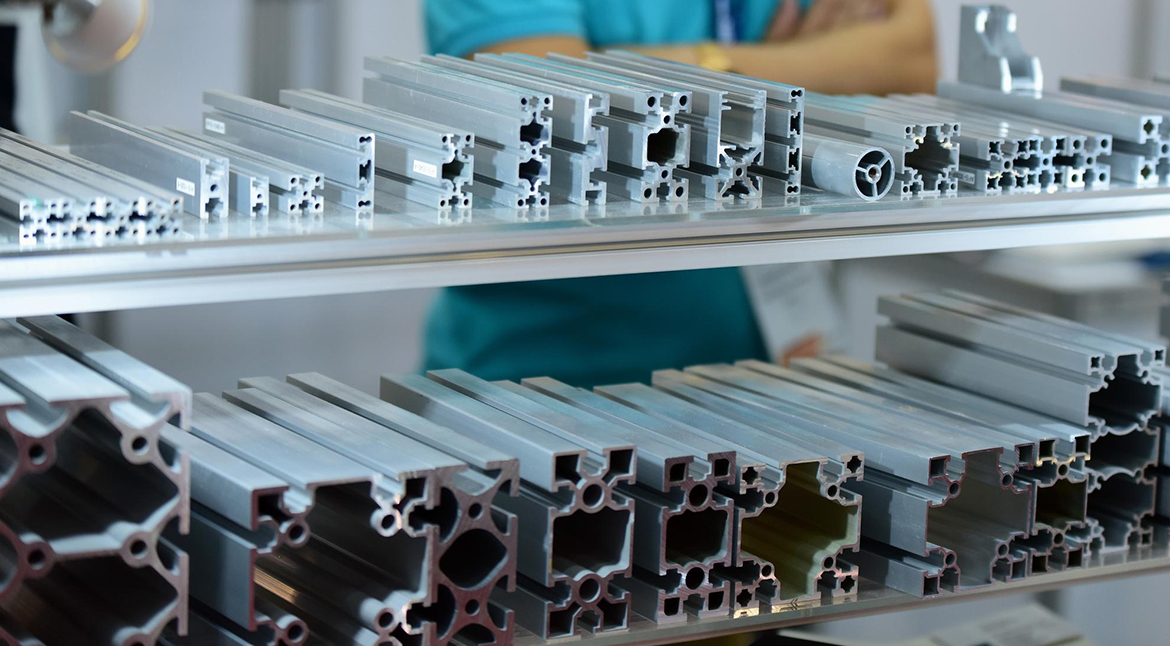
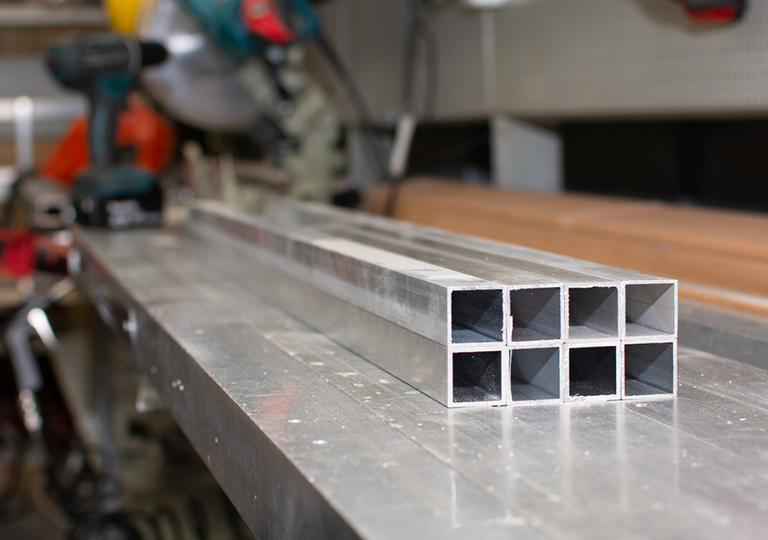
Tolerance control in aluminium extrusion refers to the degree of precision achieved in the dimensions of aluminium profiles. It defines the acceptable range of variation from the specified measurements in a product’s width, height, thickness, and shape.
Key Aspects of Tolerance Control:
- Dimensional Accuracy: Ensuring that the dimensions of the aluminium profile match the design specifications.
- Shape Consistency: Maintaining the uniformity of the profile’s cross-section throughout its length.
- Surface Finish: Ensuring that the profile’s surface meets the required smoothness and quality standards.
Maintaining tight tolerances is essential for ensuring the reliability and performance of aluminium profiles in critical applications.
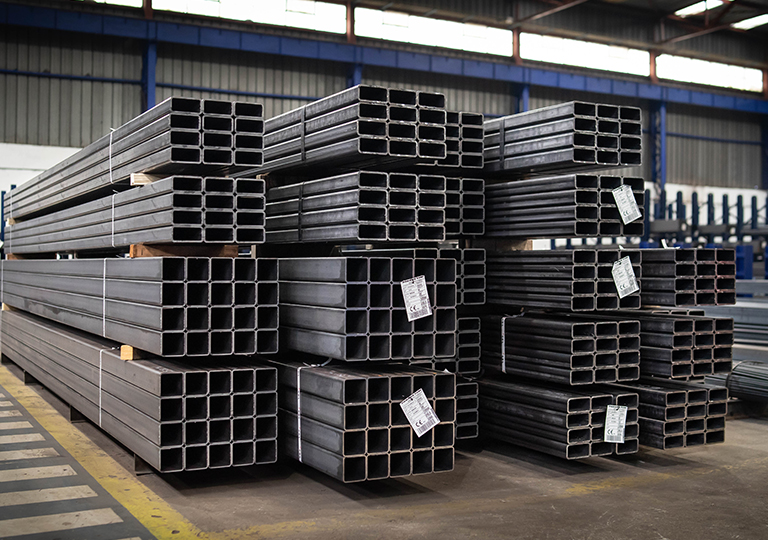
Why Tolerance Control Is Critical in Aluminium Extrusion
Achieving precise tolerances is essential for delivering high-quality aluminium profiles that meet the specific requirements of various industries.
1. Ensuring Product Fit and Functionality
Tight tolerance control ensures that aluminium profiles fit seamlessly into client applications without the need for post-production adjustments.
Example Applications:
- Automotive Industry: Ensuring that aluminium components fit precisely into vehicle structures.
- Aerospace Industry: Maintaining dimensional accuracy for aircraft components to ensure safety and performance.
- Construction Industry: Delivering custom aluminium profiles that meet structural requirements for building facades and curtain walls.
Without proper tolerance control, products may require additional machining or may fail to meet performance standards.
2. Enhancing Product Quality and Reliability
Maintaining tight tolerances improves the overall quality and reliability of aluminium profiles, ensuring that they perform as expected in critical applications.
Benefits:
- Improved Durability: Ensures that the profile maintains its integrity over time.
- Reduced Wear and Tear: Minimizes the risk of component failure due to dimensional inaccuracies.
- Consistency: Ensures that every profile produced meets the same high standards.
At Surat Aluminium, we adhere to international quality standards, including BIS, EU Standards, ASTM Standards, and JIS Standards, to ensure consistent quality in our products.
3. Reducing Material Waste and Costs
By achieving precise tolerances, manufacturers can reduce material waste and optimize production efficiency.
Key Benefits:
- Reduced Scrap Rates: Minimizes the amount of material wasted due to dimensional inaccuracies.
- Cost Savings: Lowers production costs by reducing the need for post-production adjustments.
- Sustainability: Supports eco-friendly manufacturing practices by reducing waste and resource consumption.
How Surat Aluminium Ensures Tight Tolerance Control
At Surat Aluminium, we have implemented advanced processes and technologies to ensure tight tolerance control in our aluminium extrusion manufacturing.
1. Advanced Extrusion Presses
Our state-of-the-art extrusion presses, including the 30 MN extrusion press, enable us to achieve high precision in aluminium profiles.
Key Features:
- High Pressure: Ensures uniform extrusion and dimensional accuracy.
- Automated Controls: Reduces human error and improves process consistency.
2. Precision Cutting and Machining
We use CNC machining centers for precision cutting and shaping of aluminium profiles.
Benefits:
- Millimeter-Level Accuracy: Ensures precise dimensions in every profile.
- Consistent Quality: Maintains uniformity across large production runs.
3. Quality Control Measures
We adhere to strict quality control measures to ensure that all products meet tolerance requirements.
Key Quality Control Steps:
- Dimensional Inspection: Using precision measuring tools to verify profile dimensions.
- Surface Inspection: Ensuring that the surface finish meets client specifications.
- Mechanical Testing: Verifying the strength and performance of the profiles.
Industry Applications That Require Tight Tolerances
Certain industries require aluminium profiles with strict tolerance requirements to ensure safety, performance, and reliability.
1. Automotive Industry
In the automotive sector, maintaining tight tolerances ensures that aluminium components fit precisely into vehicle assemblies.
Key Products:
- Chassis Components
- Battery Enclosures
- Crash Management Systems
2. Aerospace Industry
The aerospace industry demands high-precision components to ensure safety and performance.
Key Products:
- Aircraft Fuselage Sections
- Wings and Tail Sections
- Engine Components
3. Construction Industry
In construction, custom aluminium profiles must meet strict dimensional requirements to ensure structural integrity.
Key Products:
- Curtain Wall Systems
- Window and Door Frames
- Roofing and Cladding Panels
The Benefits of Precision in Aluminium Profiles
Achieving tight tolerances in aluminium profiles offers numerous benefits for both manufacturers and end-users.
Key Benefits:
- Improved Product Performance: Ensures that components perform as expected in critical applications.
- Enhanced Aesthetics: Achieves a smooth and consistent surface finish.
- Increased Reliability: Reduces the risk of component failure due to dimensional inaccuracies.
- Cost Savings: Minimizes waste and production costs.
Conclusion: The Importance of Tolerance Control in Aluminium Extrusion
Maintaining tight tolerance control is essential for delivering high-quality aluminium profiles that meet the specific requirements of various industries. At Surat Aluminium, we are committed to achieving precision and consistency in our aluminium extrusion manufacturing, ensuring that our clients receive reliable and durable products.