
Introduction: Exhibitions as Growth Engines, Not Marketing Events
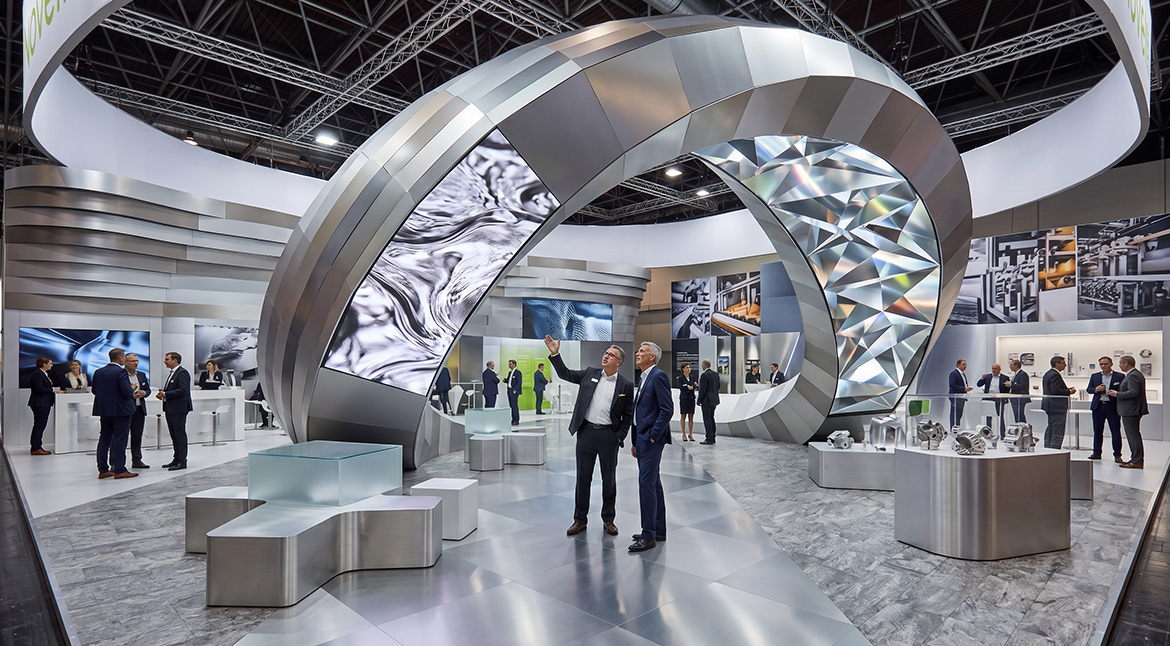
By 2026, industry exhibitions have become far more than calendar events or branding exercises. For aluminium manufacturers, they function as innovation accelerators, partnership incubators, and export gateways.
As global supply chains reconfigure and buyers seek reliable, future-ready partners, exhibitions are where:
- Technologies are validated
- Capabilities are benchmarked
- Relationships are formed
- Export pipelines are built
This blog explains how industry exhibitions actively drive innovation, partnerships, and export growth in the aluminium sector, and how companies can convert exhibition presence into long-term commercial advantage.
Why Exhibitions Matter in a Rapidly Evolving Aluminium Market
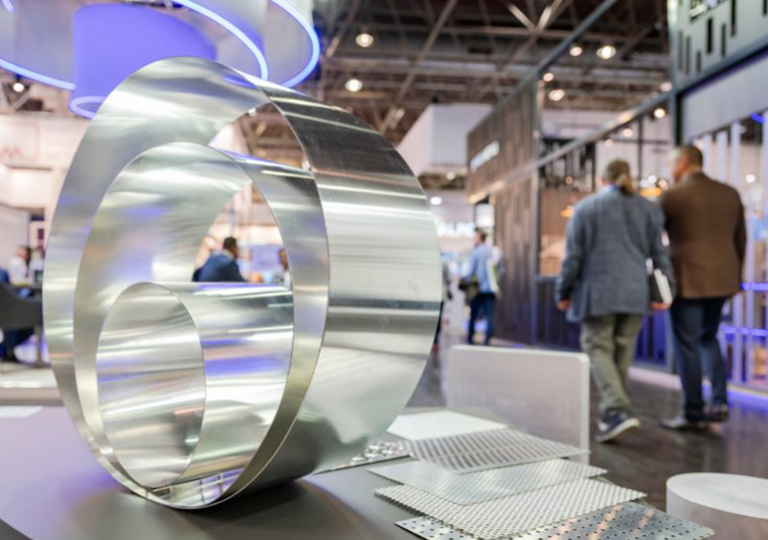
Speed of Change Demands Physical Validation
Aluminium manufacturing is evolving quickly across:
- Large and complex extrusions
- Digital and AI-enabled processes
- Sustainability and lifecycle performance
Exhibitions provide a physical forum where buyers can:
- See manufacturing maturity
- Test technical understanding
- Compare suppliers side by side
This validation cannot be replaced by brochures or websites alone.
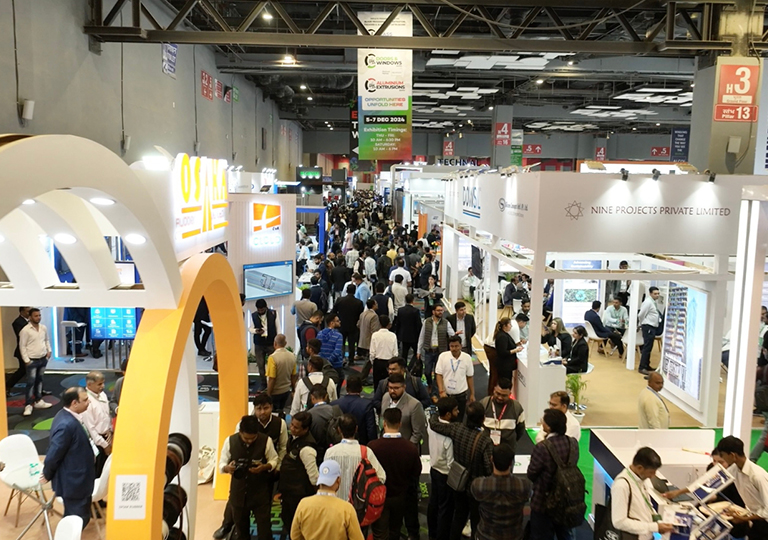
Decision-Makers Are Present in One Place
Exhibitions bring together:
- Global buyers
- EPCs and OEMs
- Consultants and specifiers
- Policymakers and trade bodies
For manufacturers, this concentration of stakeholders creates unmatched opportunity for strategic engagement.
How Exhibitions Drive Innovation in Aluminium Manufacturing
Technology Exchange and Benchmarking
Exhibitions expose manufacturers to:
- Global best practices
- New tooling and process approaches
- Emerging application requirements
Direct comparison with peers highlights:
- Capability gaps
- Areas for investment
- Opportunities for differentiation
This accelerates internal innovation cycles.
Customer-Led Innovation Signals
Technical conversations at exhibitions often reveal:
- Unmet application challenges
- Emerging design requirements
- New tolerance and performance expectations
These insights shape:
- Profile development
- Die engineering strategies
- Process upgrades
Innovation is guided by real market demand, not assumptions.
Exhibitions as Partnership Catalysts
From Transactions to Collaboration
By 2026, buyers attending exhibitions are less interested in one-off sourcing. They seek:
- Long-term manufacturing partners
- Engineering collaboration
- Supply continuity
Exhibitions enable early-stage trust-building through:
- Face-to-face technical discussions
- Capability walkthroughs
- Shared problem-solving
This lays the foundation for multi-year partnerships.
Cross-Industry Collaboration
Exhibitions also facilitate partnerships beyond buyer-supplier relationships, including:
- Technology providers
- Automation and digital solution partners
- Logistics and export service providers
These collaborations strengthen the entire manufacturing ecosystem.
Exhibitions and Export Growth: A Direct Link
Access to New Markets and Buyers
For aluminium manufacturers, exhibitions provide:
- Entry into new geographic markets
- Exposure to global sourcing teams
- Direct interaction with export-focused EPCs and OEMs
Many export relationships begin with initial qualification discussions at exhibitions.
Understanding Export Market Expectations
Export buyers often evaluate:
- Quality standards and certifications
- Process documentation and traceability
- Delivery reliability and scale readiness
Exhibitions allow manufacturers to understand and align with:
- Regional compliance requirements
- Application-specific standards
- Cultural and commercial expectations
This reduces export risk and accelerates deal conversion.
Building Credibility Through Exhibition Participation
Demonstrating Manufacturing Maturity
Consistent exhibition participation signals:
- Long-term commitment to the industry
- Confidence in manufacturing capability
- Willingness to be benchmarked globally
Manufacturers who return year after year with improved capability earn stronger credibility.
Evidence-Based Storytelling
Successful exhibitors focus on:
- Process capability, not claims
- Data-backed performance, not slogans
- Long-term references, not samples alone
This approach resonates with serious buyers.
Strategic Preparation: Turning Exhibitions into Growth Platforms
Aligning Exhibition Strategy with Business Goals
To drive real value, exhibitions must align with:
- Export expansion plans
- Capability investment roadmaps
- Target industry segments
Random participation rarely produces results. Strategic focus does.
Post-Exhibition Follow-Through
Exhibitions generate opportunities, but growth comes from:
- Structured follow-up
- Technical validation
- Pilot and trial development
Manufacturers who treat exhibitions as the start of a process, not the end, see sustained returns.
Buyer Perspective: Why Exhibitions Influence Supplier Selection
From a buyer’s standpoint, exhibitions help:
- Shortlist suppliers
- Assess capability maturity
- Validate long-term fit
Suppliers who demonstrate clarity, transparency, and readiness stand out quickly.
How Surat Aluminium Uses Exhibitions to Drive Innovation and Export Growth
Surat Aluminium approaches industry exhibitions as strategic growth platforms.
The focus includes:
- Engaging in technical, application-driven discussions
- Showcasing integrated extrusion, tooling, and metallurgical capability
- Building long-term relationships with global buyers and partners
- Gathering market intelligence to guide future investments
This disciplined approach helps convert exhibition engagement into:
- Innovation inputs
- Partnership pipelines
- Export expansion opportunities
Strategic Insight: Exhibitions Are Multipliers, Not Expenses
When approached strategically, exhibitions multiply:
- Market insight
- Brand credibility
- Partnership reach
- Export opportunity
They are not costs to be minimized, but investments to be leveraged.
Conclusion: Exhibitions Power the Aluminium Industry’s Next Phase of Growth
In the aluminium industry of 2026, exhibitions sit at the intersection of:
- Innovation
- Collaboration
- Global trade
They accelerate learning, connect the right partners, and open doors to international markets.
For manufacturers willing to engage with purpose and preparation, exhibitions become catalysts for sustainable innovation, resilient partnerships, and long-term export growth.