

Introduction: The Growing Importance of Aluminium Extrusion
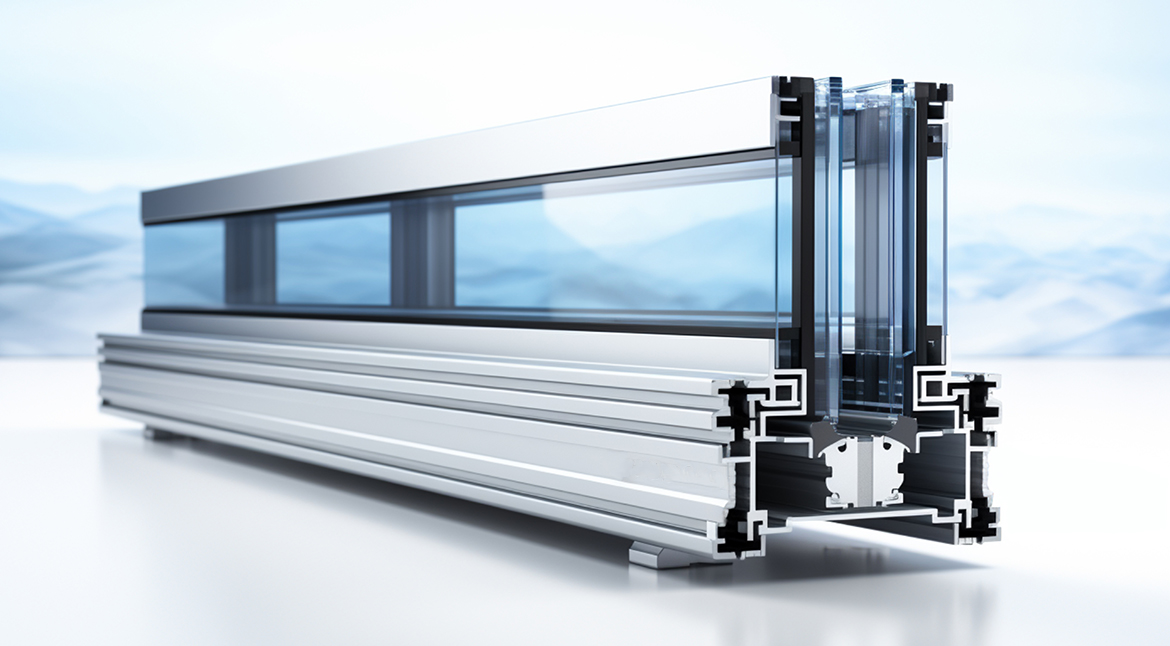
Aluminium extrusion is a critical manufacturing process that transforms aluminium alloy into custom shapes and profiles used across various industries, from construction and automotive to aerospace and renewable energy. With its lightweight, durable, and versatile properties, aluminium has become an essential material for modern infrastructure and industrial applications.
Surat Aluminium, a leading provider of custom aluminium extrusion solutions, has mastered the entire extrusion process—from design to delivery—to meet the evolving needs of industries worldwide. In this blog, we will provide a comprehensive guide to the aluminium extrusion process, highlighting each step and explaining how Surat Aluminium ensures precision, quality, and sustainability in its operations.
What Is Aluminium Extrusion?
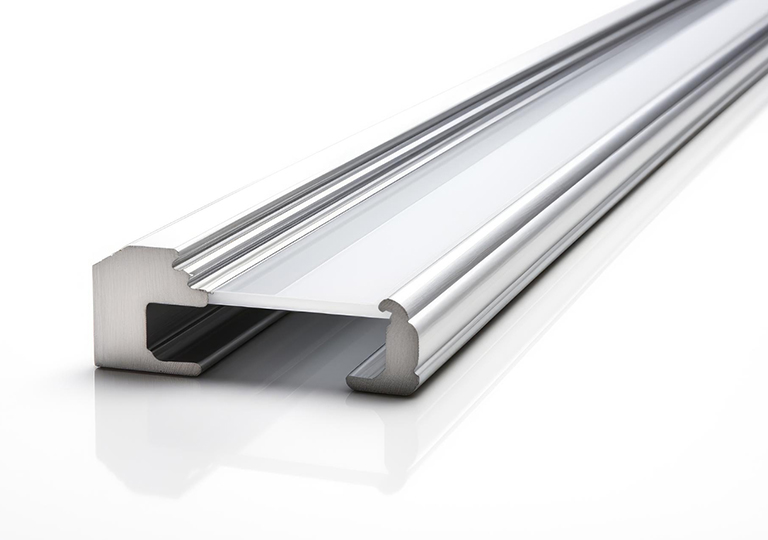
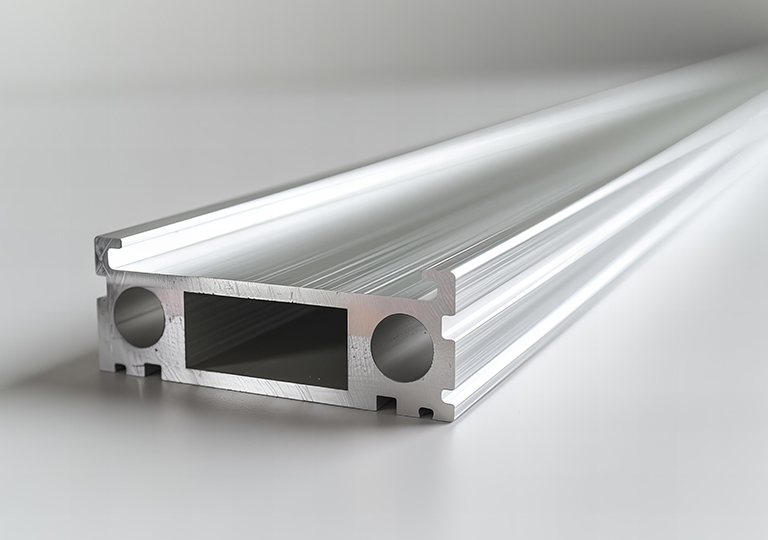
Aluminium extrusion is a process that involves forcing aluminium billets through a die to create specific shapes and profiles. The process allows manufacturers to produce custom profiles with varying cross-sections, meeting the unique requirements of different industries.
Key Benefits of Aluminium Extrusion:
- Lightweight: Reduces overall weight without compromising strength.
- Durable: Resistant to corrosion and wear.
- Versatile: Can be customized for various applications.
- Recyclable: Promotes sustainability by using recycled aluminium billets.
Surat Aluminium leverages state-of-the-art extrusion technology to deliver precision-engineered aluminium profiles for a wide range of applications.
1: Design and Die Manufacturing
The aluminium extrusion process begins with design and die manufacturing. The die is a critical component that determines the shape of the final profile.
Key Steps in Die Manufacturing:
- Conceptual Design: Understanding client requirements and creating initial sketches.
- CAD Modeling: Using computer-aided design (CAD) software to create precise 3D models.
- Simulation and Testing: Running virtual simulations to test the die design and identify potential issues.
- Die Production: Manufacturing the die using high-grade steel to ensure durability and accuracy.
Surat Aluminium’s advanced die design capabilities enable the company to produce complex and intricate profiles with minimal tolerances.
2: Preparing the Aluminium Billet
The next step involves preparing the aluminium billet for extrusion. The billet is a cylindrical block of aluminium alloy that serves as the raw material.
Key Steps in Billet Preparation:
- Heating the Billet: The billet is heated to 450-500°C to make it malleable.
- Pre-Treatment: Some billets undergo pre-treatment processes to improve their mechanical properties.
- Cutting: The billet is cut to the appropriate length based on the extrusion requirements.
Surat Aluminium uses recycled aluminium billets wherever possible, promoting sustainability in manufacturing.
3: The Extrusion Process
The extrusion process is the core step where the heated billet is forced through the die to create the desired profile.
Key Steps in the Extrusion Process:
- Loading the Billet: The heated billet is placed into the extrusion press.
- Applying Pressure: The press applies high pressure (up to 30 MN) to push the billet through the die.
- Shaping the Profile: The aluminium takes the shape of the die as it passes through.
- Cooling: The extruded profile is cooled using air or water quenching.
Surat Aluminium’s high-capacity extrusion presses allow the company to produce solid profiles up to 450mm and hollow profiles up to 400mm, meeting the needs of various industries.
4: Stretching and Straightening
After the extrusion process, the profile needs to be stretched and straightened to ensure it meets the required dimensions and tolerances.
Key Steps:
- Stretching: The profile is stretched to eliminate internal stresses.
- Straightening: The profile is straightened to ensure it is perfectly aligned.
This step is crucial for maintaining the integrity of the aluminium profile and ensuring consistent quality.
5: Cutting and Machining
The next step involves cutting and machining the profile to the required length and shape.
Key Steps:
- Precision Cutting: Using CNC machines for precise cutting.
- Machining: Applying additional machining processes to achieve the desired specifications.
Surat Aluminium’s automated cutting tools ensure millimeter-level accuracy, reducing waste and improving efficiency.
6: Surface Finishing
Surface finishing enhances both the aesthetics and performance of the aluminium profile.
Popular Surface Finishing Techniques:
- Anodizing: Adds a protective layer that improves corrosion resistance.
- Powder Coating: Provides a durable and attractive finish.
- Mechanical Polishing: Improves the surface texture.
Surat Aluminium offers custom surface finishing options to meet the unique requirements of each client.
7: Quality Control and Inspection
Quality control is an essential part of the aluminium extrusion process to ensure that every profile meets industry standards and client specifications.
Key Quality Control Measures:
- Dimensional Inspection: Checking the profile’s dimensions and tolerances.
- Surface Inspection: Ensuring there are no surface defects.
- Mechanical Testing: Verifying the profile’s strength and durability.
Surat Aluminium adheres to international quality standards, including BIS, EU Standards, and ASTM Standards.
8: Packaging and Delivery
The final step is packaging and delivery. Proper packaging ensures that the profiles are protected during transportation.
Key Steps:
- Custom Packaging: Using protective materials to prevent damage.
- Labeling: Adding barcodes and labels for easy identification.
- Logistics: Ensuring on-time delivery to clients worldwide.
Surat Aluminium’s robust logistics network ensures seamless delivery across domestic and international markets.
Sustainability in the Aluminium Extrusion Process
Surat Aluminium is committed to sustainable manufacturing by incorporating eco-friendly practices at every step of the extrusion process.
Key Sustainability Initiatives:
- Recycling: Using recycled aluminium billets.
- Energy Efficiency: Implementing energy-saving technologies.
- Waste Reduction: Minimizing waste through precise cutting and machining.
By promoting sustainability, Surat Aluminium aligns with global environmental goals.
Conclusion: A Complete Aluminium Extrusion Process at Surat Aluminium
From design to delivery, Surat Aluminium’s comprehensive aluminium extrusion process ensures precision, quality, and sustainability. By leveraging advanced technology and custom solutions, the company delivers high-performance aluminium profiles for various industries worldwide.
With a focus on innovation and customer satisfaction, Surat Aluminium continues to be a trusted partner for clients seeking reliable aluminium solutions.