

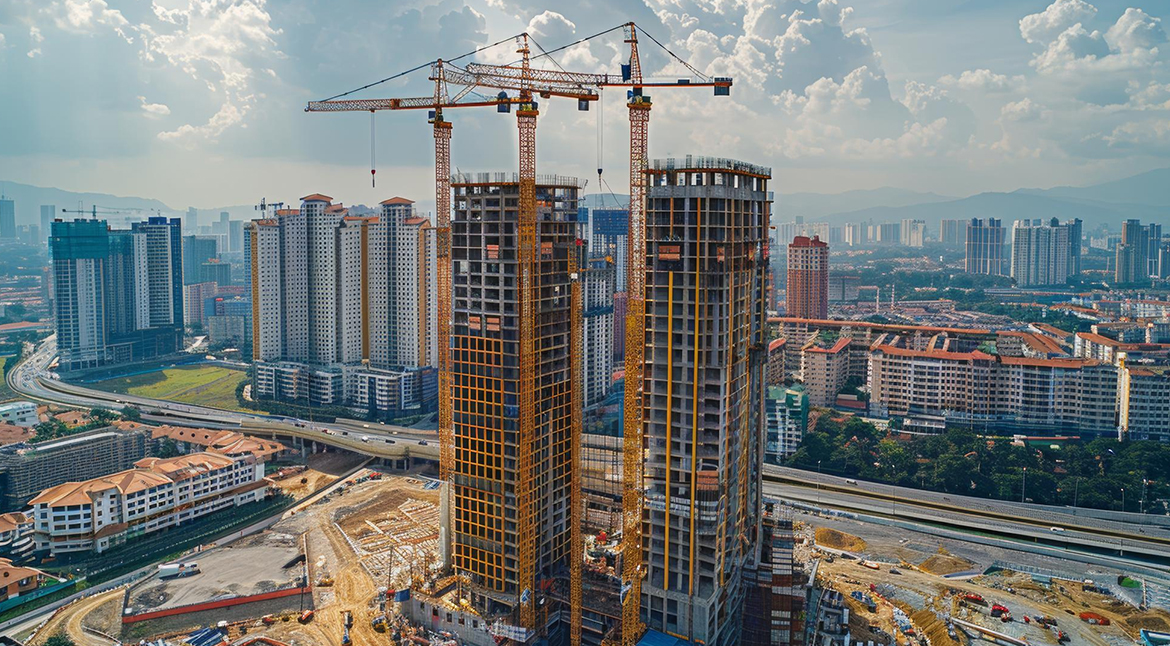
Introduction: Why Aluminium Is Central to the Cities of the Future
By 2026, infrastructure and construction are no longer about building faster alone. They are about building smarter, lighter, more sustainable, and more resilient cities.
Smart cities demand materials that:
- Reduce structural load
- Enable modular construction
- Support digital and energy infrastructure
- Perform reliably for decades
Aluminium extrusions have emerged as a core enabler of this transformation, replacing traditional materials in structural, architectural, and functional applications across modern urban development.
This blog explores:
- Why aluminium extrusions are becoming essential for infrastructure and construction
- How aluminium supports smart city frameworks
- Key applications across urban projects
- What engineers and buyers expect from aluminium suppliers in 2026
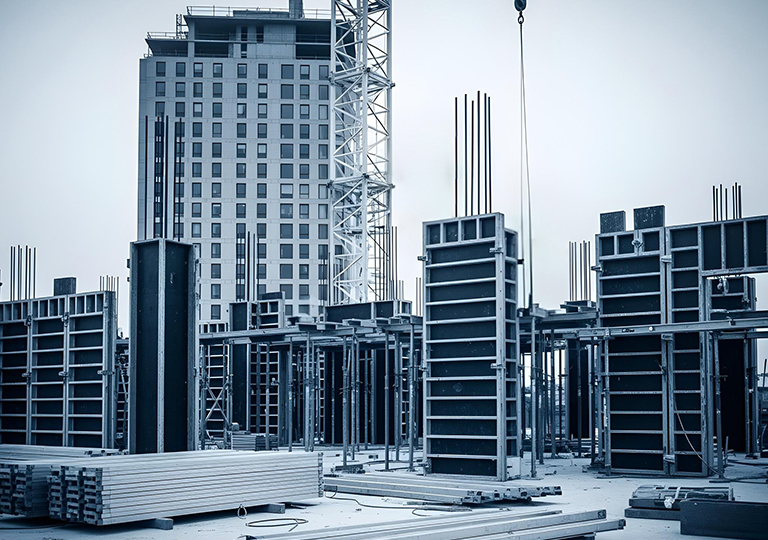
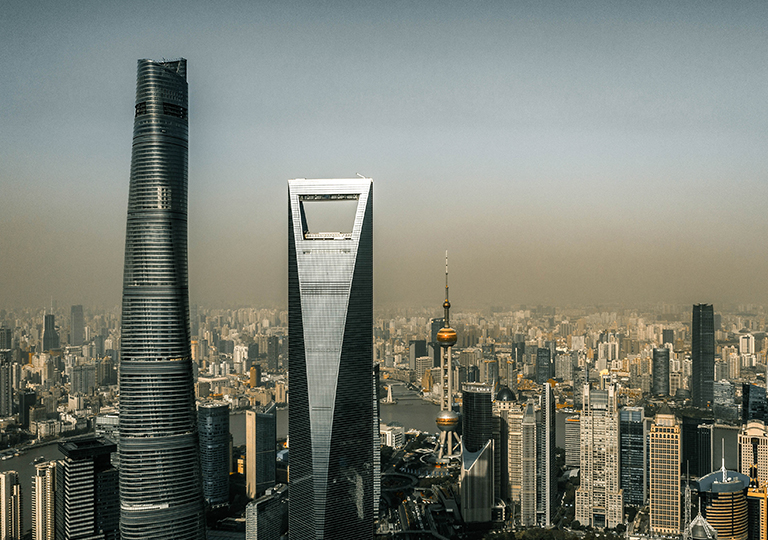
The Changing Nature of Infrastructure and Construction
From Heavy Structures to Intelligent Systems
Traditional construction relied heavily on:
- Steel-intensive structures
- Concrete-dominated designs
- On-site fabrication
By 2026, infrastructure projects prioritize:
- Prefabrication and modularity
- Speed of execution
- Lifecycle sustainability
- Integration with digital systems
Aluminium extrusions align perfectly with these priorities.
Urbanization and the Smart City Imperative
Rapid urban growth has created demand for:
- Efficient transportation networks
- Energy-optimized buildings
- Digitally connected public infrastructure
Smart cities require materials that can integrate structure, function, and technology. Aluminium extrusions enable this convergence.
Why Aluminium Extrusions Are Ideal for Infrastructure Projects
Lightweight Strength and Structural Efficiency
Aluminium offers:
- High strength-to-weight ratio
- Reduced dead load on foundations
- Easier handling and installation
Large aluminium extrusions are increasingly used in:
- Structural frameworks
- Walkways and bridges
- Industrial sheds and terminals
Lower weight translates directly into faster construction and cost efficiency.
Corrosion Resistance and Long Lifecycle
Infrastructure assets must perform for decades.
Aluminium’s natural corrosion resistance:
- Reduces maintenance
- Performs well in coastal and polluted environments
- Extends service life
This makes aluminium ideal for metros, airports, bridges, and public structures.
Design Flexibility Through Extrusion
Aluminium extrusion allows:
- Custom cross-sections
- Integration of multiple functions
- Reduced part count
This enables cleaner design, faster assembly, and improved reliability.
Aluminium in Construction and Building Systems
Structural and Architectural Applications
Aluminium extrusions are widely used in:
- Curtain wall systems
- Façade structures
- Roofing and shading systems
- Window and door frameworks
Precision extrusions support tight tolerances and high aesthetic standards.
Modular and Prefabricated Construction
Smart construction increasingly relies on:
- Factory-built components
- On-site assembly
Aluminium extrusions support modular construction by offering:
- Dimensional consistency
- Lightweight handling
- Repeatable quality
This reduces construction time and on-site risk.
Aluminium Extrusions Powering Smart City Infrastructure
Transportation and Mobility Systems
Smart cities depend on efficient mobility.
Aluminium extrusions are used in:
- Metro stations and platforms
- Railway infrastructure
- Bus shelters and terminals
Their lightweight nature improves structural efficiency and reduces lifecycle cost.
Energy and Utility Infrastructure
Aluminium supports:
- Solar mounting structures
- EV charging infrastructure
- Power distribution enclosures
Its corrosion resistance and thermal properties make it ideal for urban energy systems.
Digital and Communication Infrastructure
Smart cities rely on:
- Sensor networks
- Communication poles
- Data infrastructure
Aluminium extrusions provide:
- Structural support
- Cable management integration
- Weather resistance
Sustainability and ESG in Urban Development
Aluminium and the Circular Economy
Aluminium is:
- 100 percent recyclable
- Reusable without loss of properties
In smart city projects, this supports:
- Lower carbon footprint
- Responsible material sourcing
- Long-term sustainability goals
Reducing Total Lifecycle Cost
While aluminium may have higher initial material cost in some cases, it offers:
- Lower maintenance
- Longer service life
- Reduced replacement frequency
This makes aluminium cost-effective over the full lifecycle of infrastructure assets.
Engineering and Quality Expectations in 2026
Infrastructure-grade aluminium extrusions must meet:
- Tight dimensional tolerances
- Consistent surface finish
- Predictable mechanical properties
Large projects demand:
- Batch-to-batch consistency
- Reliable delivery schedules
- Full traceability and documentation
Suppliers must demonstrate process maturity and scalability.
Buyer Perspective: Choosing Aluminium Partners for Urban Projects
Infrastructure buyers and EPCs evaluate:
- Extrusion press capacity
- Ability to produce large and complex profiles
- In-house die and billet control
- Quality assurance systems
- Experience with infrastructure-scale projects
The right partner reduces execution risk and improves long-term asset performance.
How Surat Aluminium Supports Infrastructure and Smart City Development
Surat Aluminium aligns its aluminium extrusion capabilities with the evolving needs of:
- Infrastructure developers
- Construction companies
- Smart city planners
The focus includes:
- Large and custom aluminium profiles
- Precision extrusion for structural applications
- Consistent quality for long-term projects
- Reliable supply for high-volume requirements
This approach supports urban infrastructure that is durable, efficient, and future-ready.
Strategic Insight: Aluminium Enables Smarter Cities, Not Just Stronger Structures
In 2026, cities are judged not only by how they look, but by:
- How efficiently they operate
- How sustainably they grow
- How resilient they remain over time
Aluminium extrusions enable this shift by combining structural performance with design and sustainability advantages.
Conclusion: Aluminium Extrusions Are Building the Cities of Tomorrow
Infrastructure, construction, and smart cities are converging into a single vision of efficient, connected, and sustainable urban living.
Aluminium extrusions play a critical role by offering:
- Lightweight strength
- Design flexibility
- Long lifecycle performance
- Sustainability alignment
For planners, engineers, and buyers, aluminium is no longer an alternative material. It is the foundation of modern urban infrastructure.